Are you interested in a picture or a work?
Write to us: pam@pam-artgalerie.com
Vita
From 1985 to 1992, Olaf Martens studied photography at the Academy of Visual Arts (HGB) in Leipzig (with Wolfgang G. Schröter and Helfried Strauß, among others). His contemporaries are the artists of the Leipzig School, including Neo Rauch, Tim Eitel and Tilo Baumgärtel.
Olaf Martens has been taking photos for PR and advertising campaigns for international clients since the late 1990s. He created photo reports and photo contributions e.g. for: FAZ Magazin, Der Spiegel, Stern, Harpers Bazar Russia, Focus Magazin, Max, Die Welt, Art, Geo Spezial, Merian, Glamour, Wiener, Park Avenue.
His works include represented in the Goetz Collection and F. C. Gundlach Collection.
Works
This article or the following section is not sufficiently equipped with supporting documents (e.g. individual proofs). The data in question are therefore possibly soon removed. Please help Wikipedia by researching the information and providing good evidence.
Here all documents are missing. Where did the statements come from? Where did the quote come from? –JesterWr 12:22, 1 Mar. 2016 (CET)
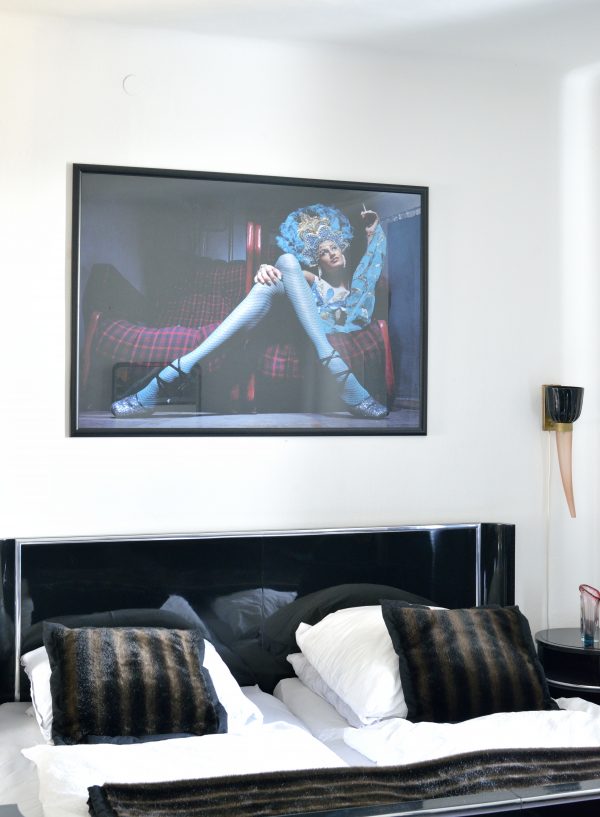
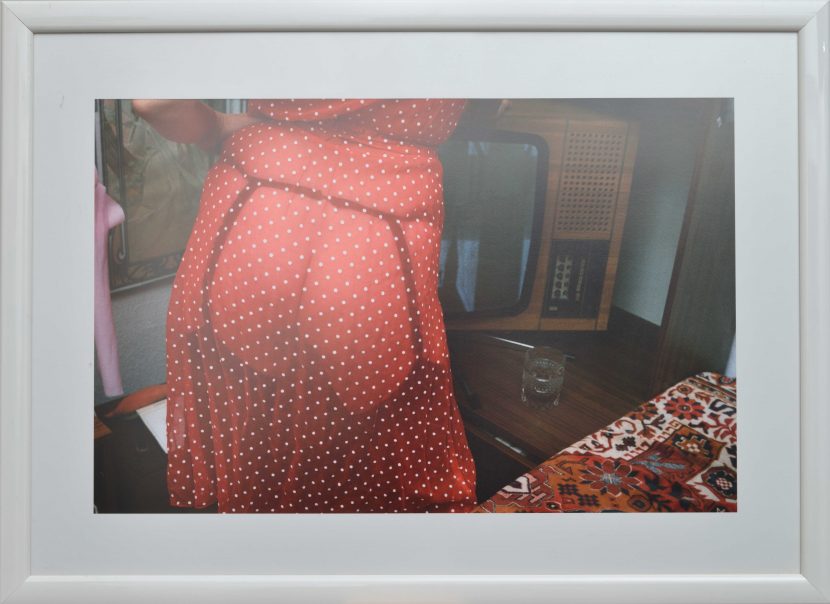
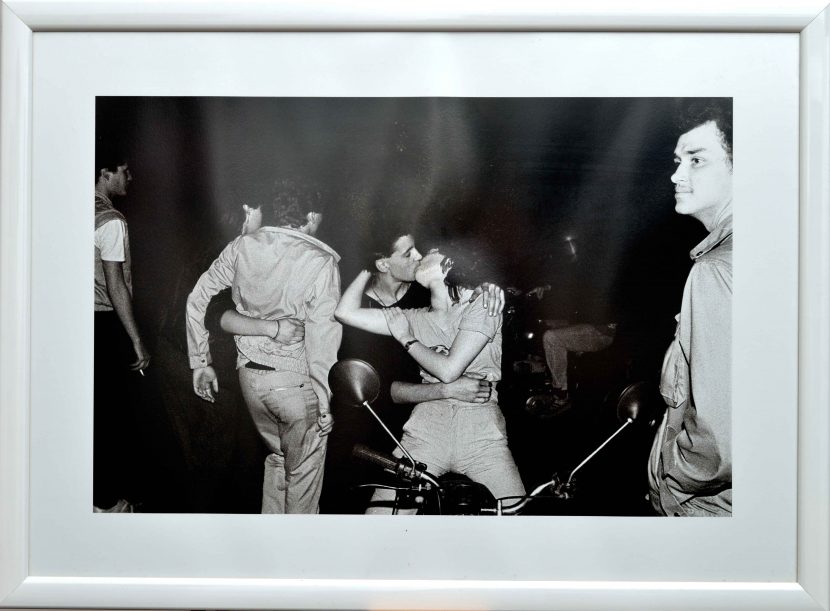
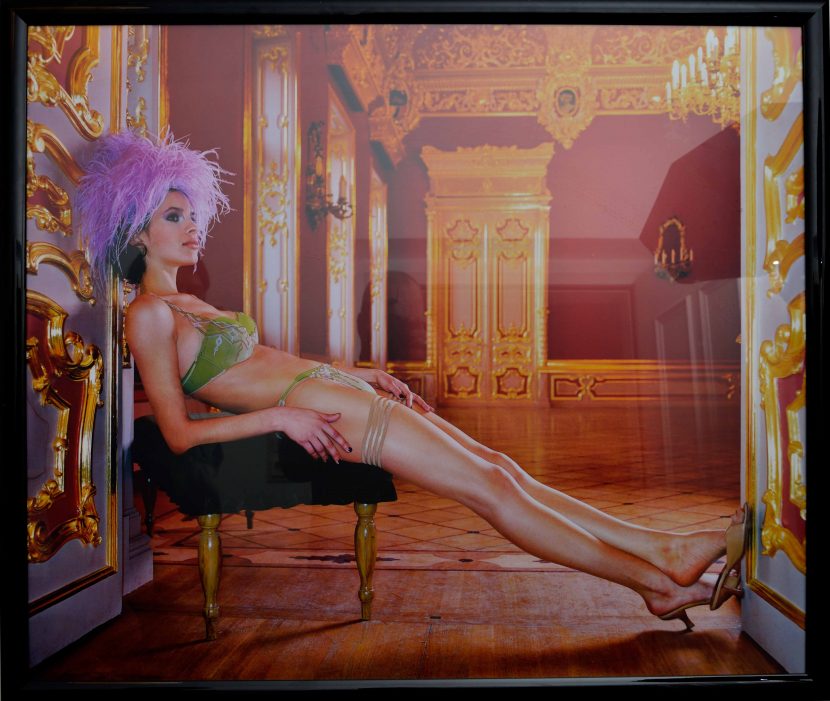
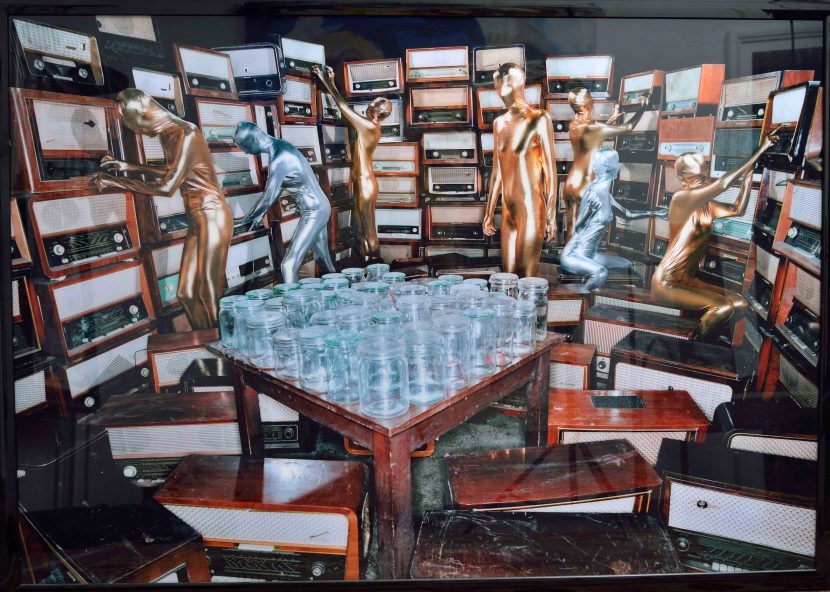
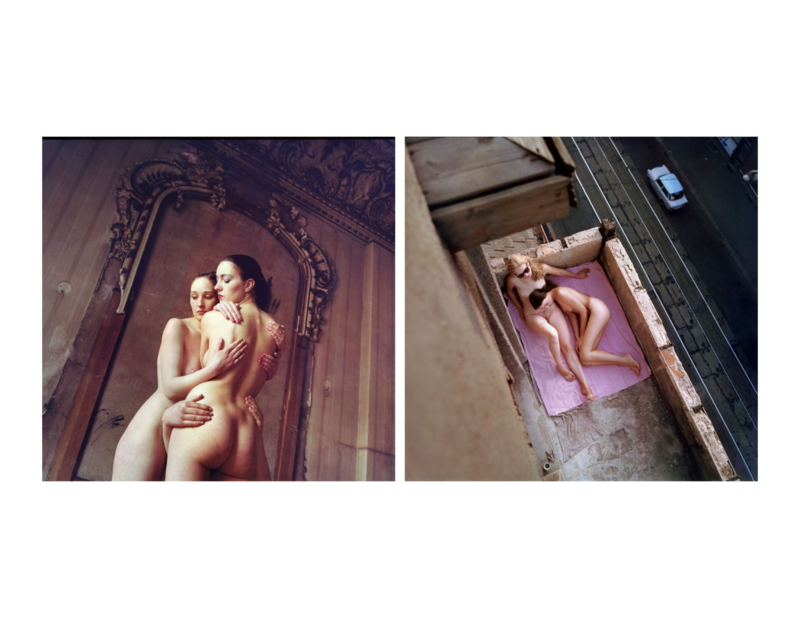
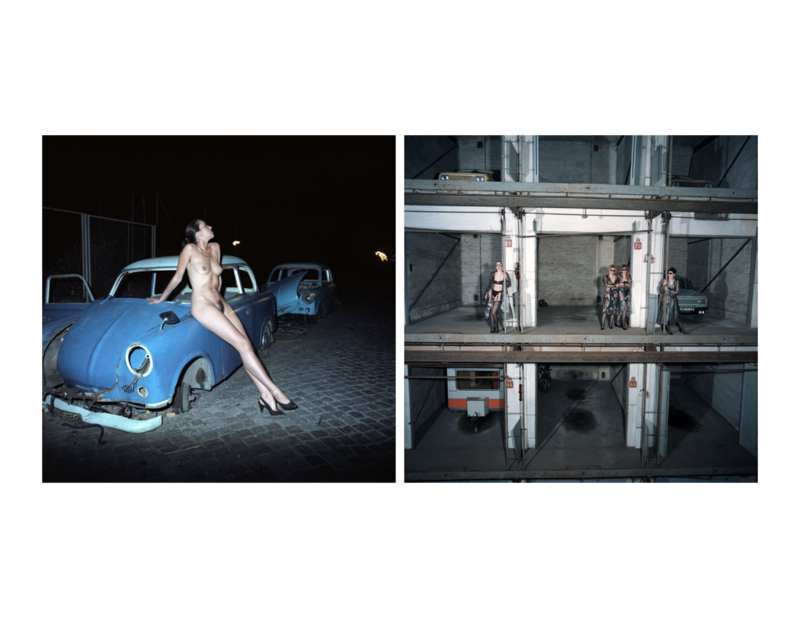
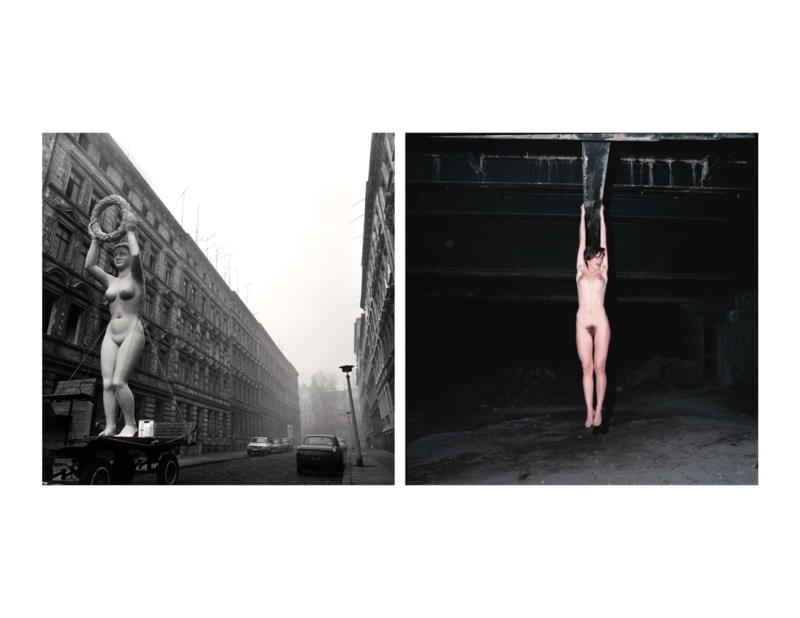
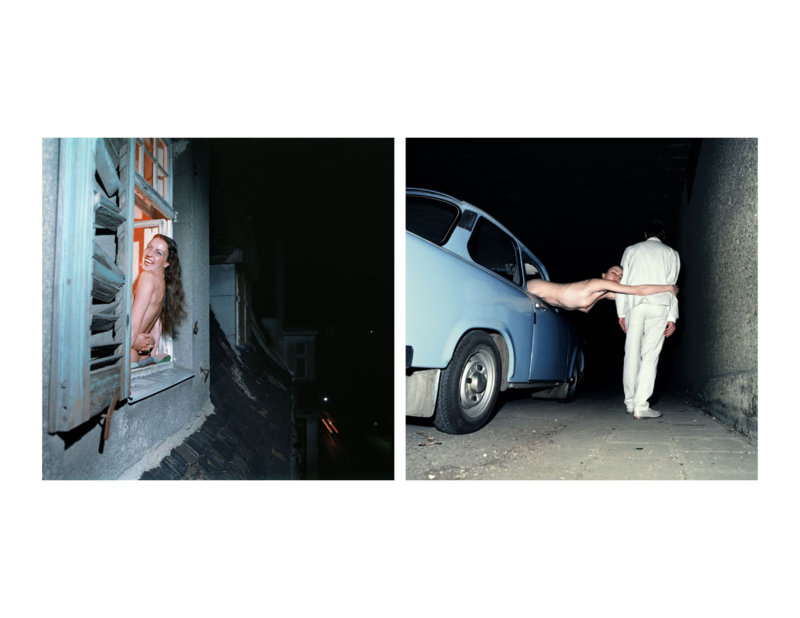
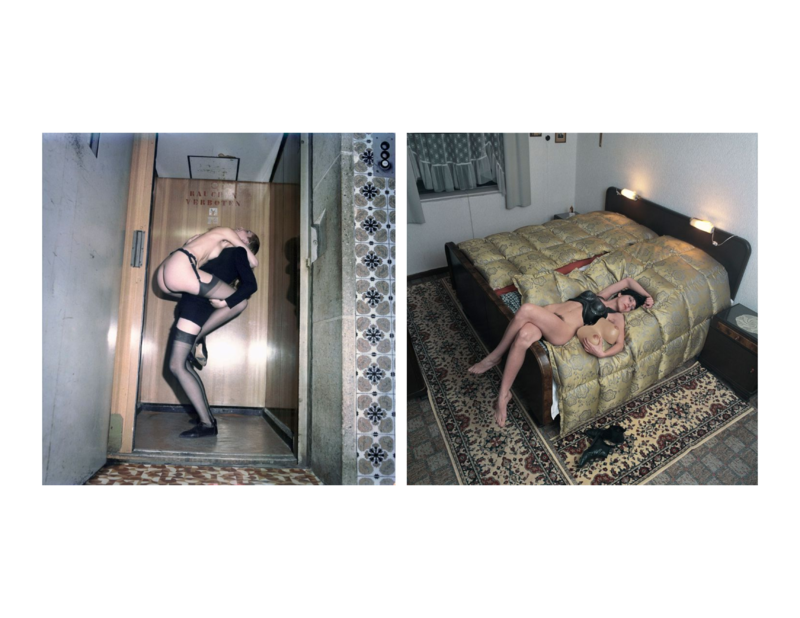
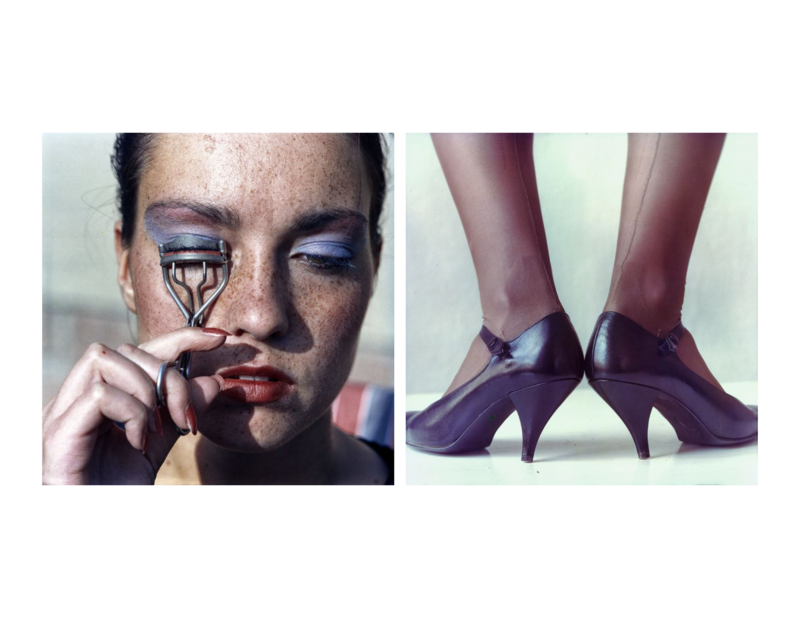
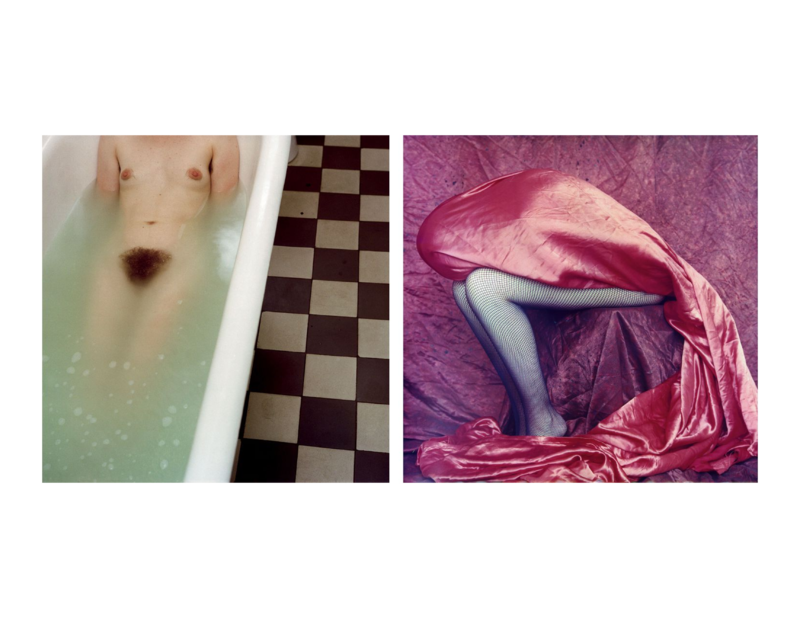
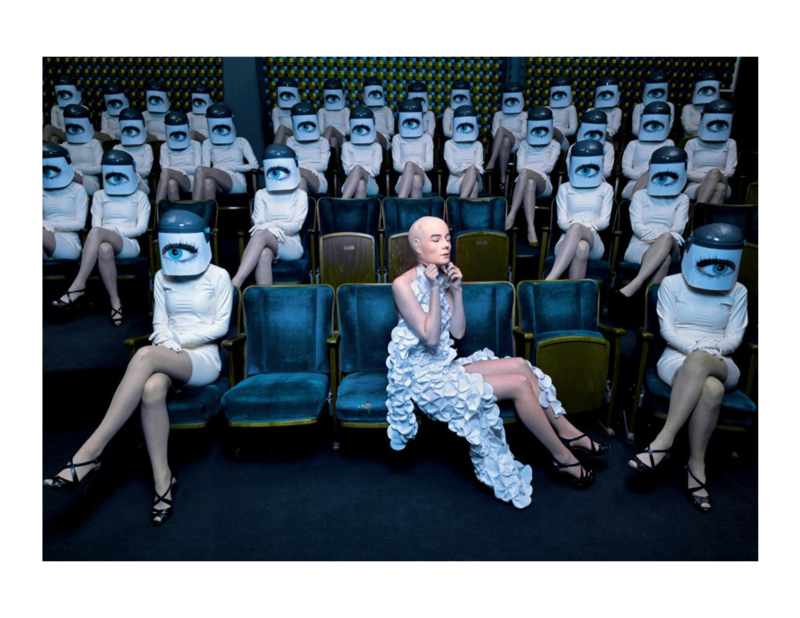
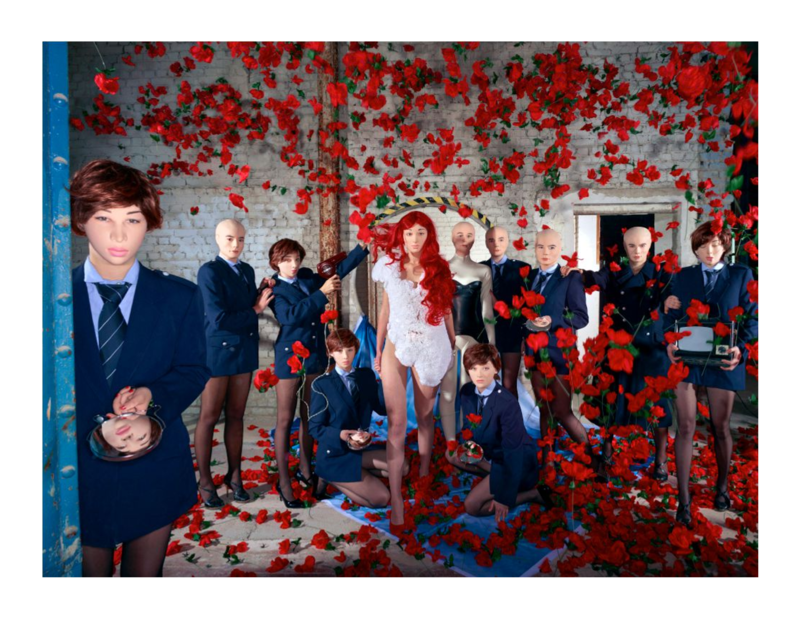
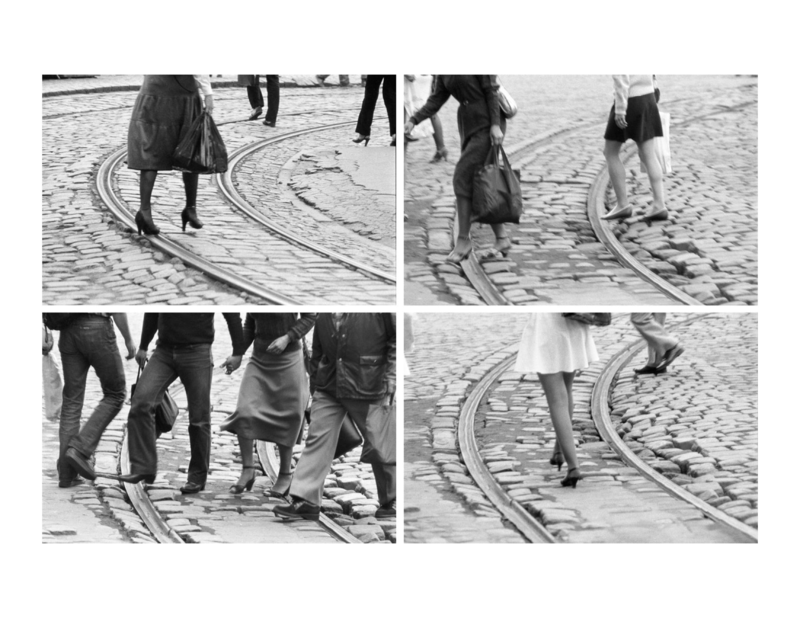
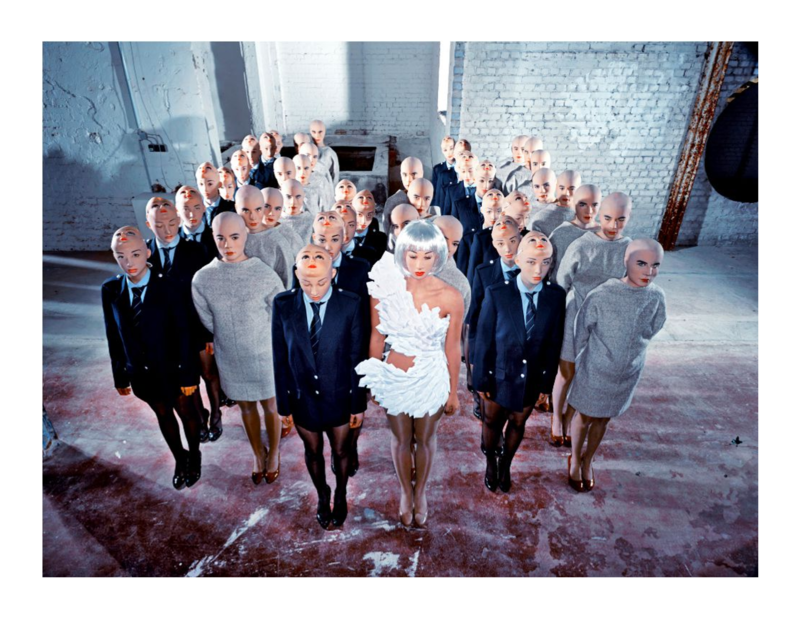
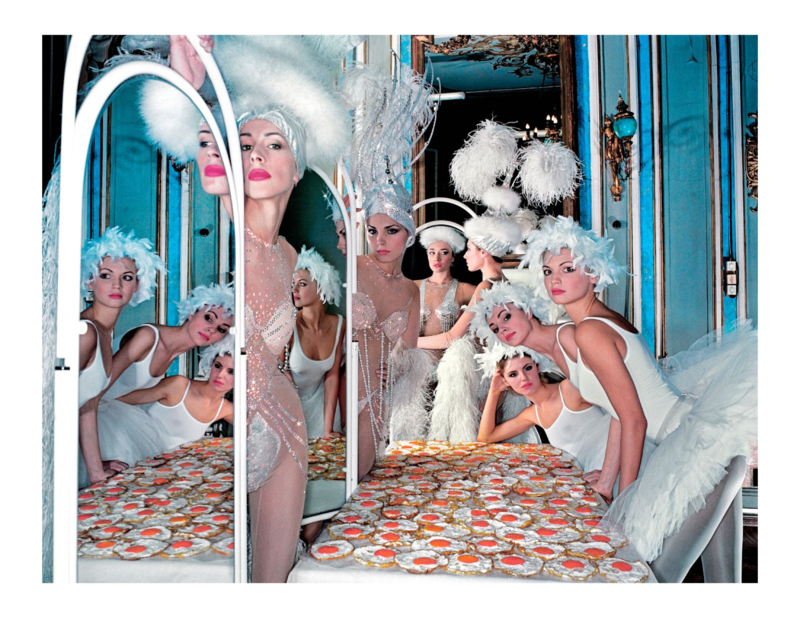
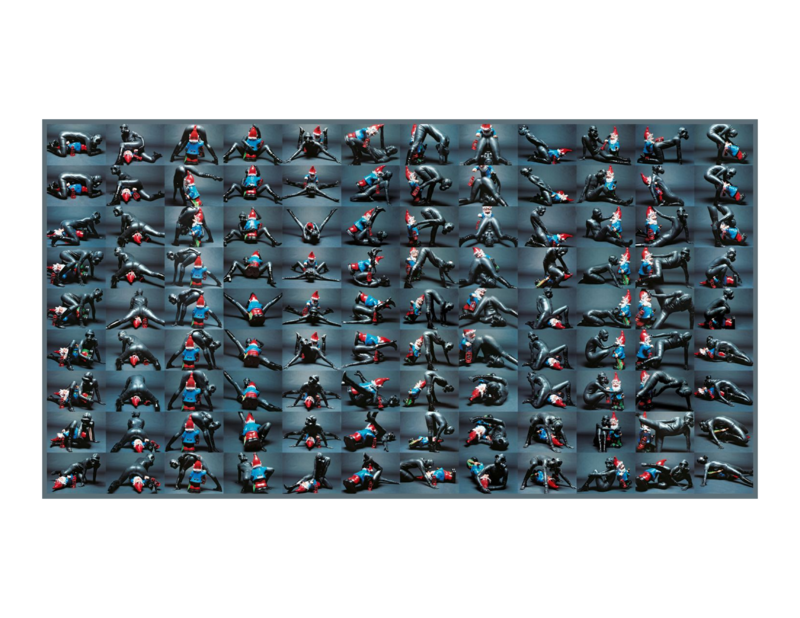
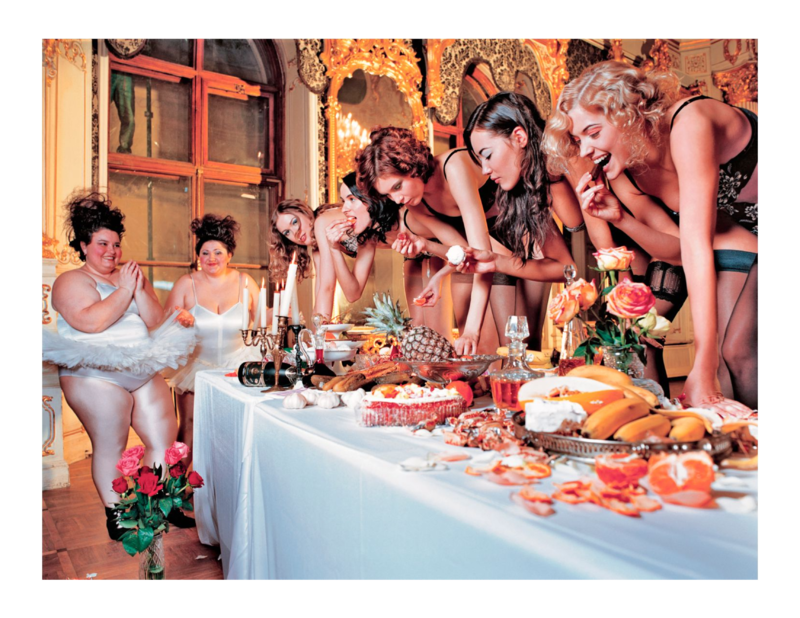
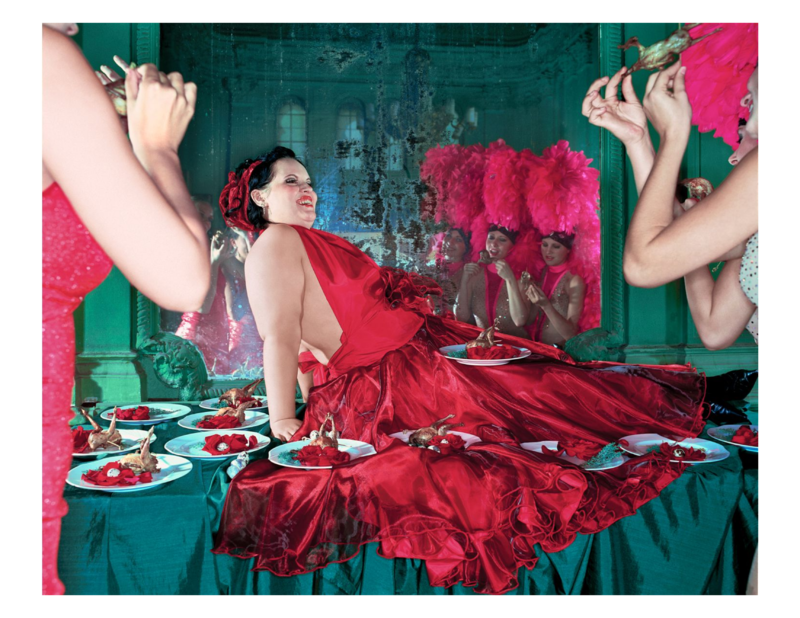
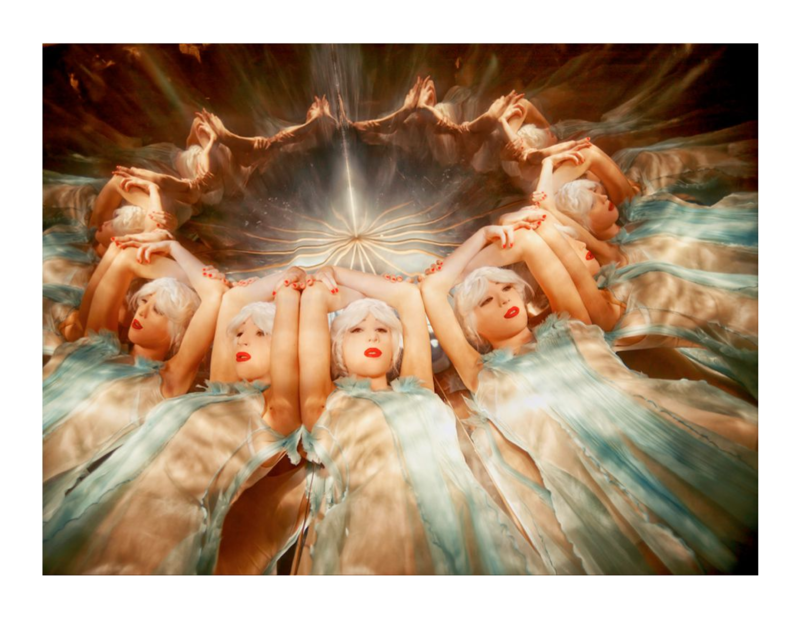
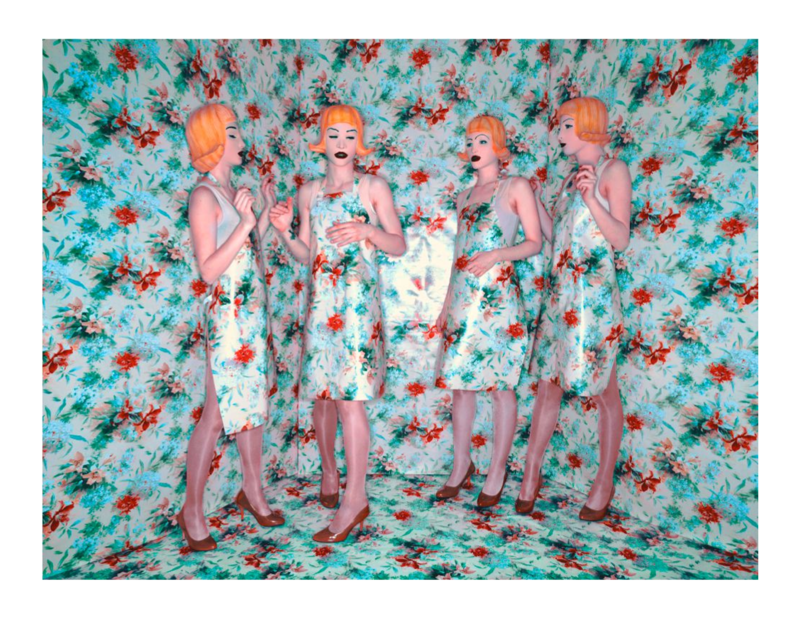
Olaf Martens’ photographs are often associated with the aesthetics of the beautiful young women in lifestyle magazines. Lust, irony and a form of the bizarre can be seen behind the apparent beauty of the photographs.
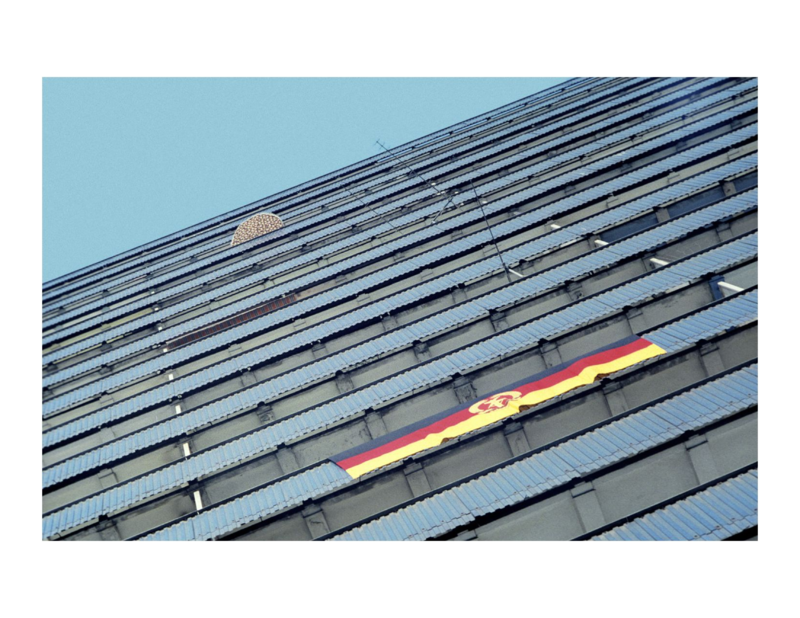
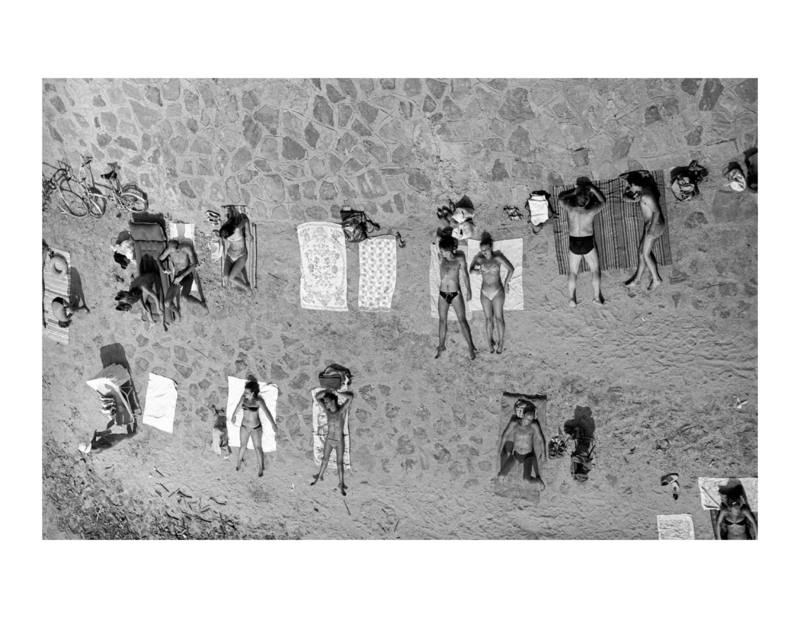
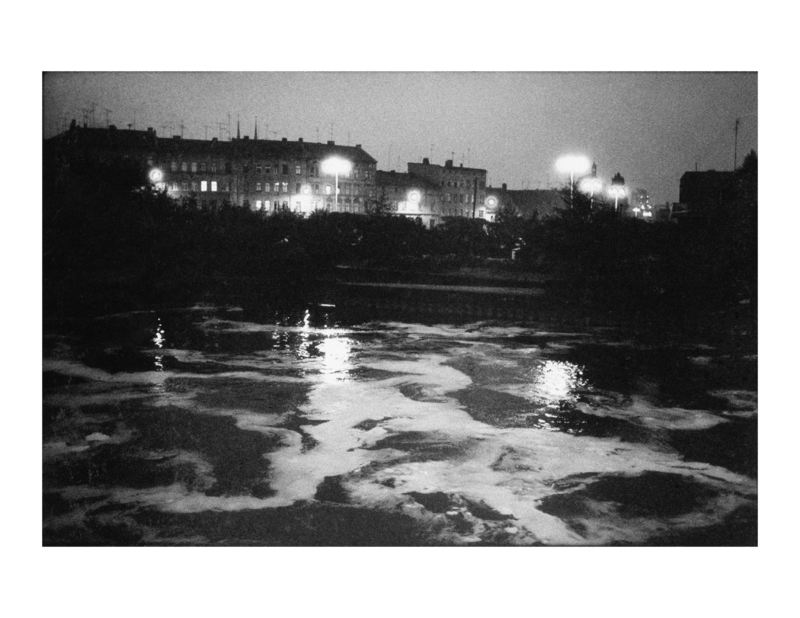
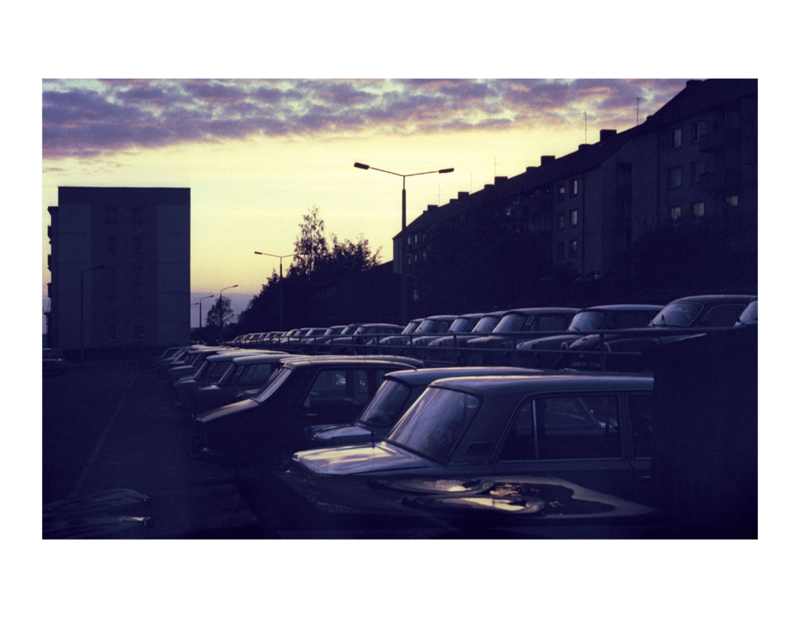
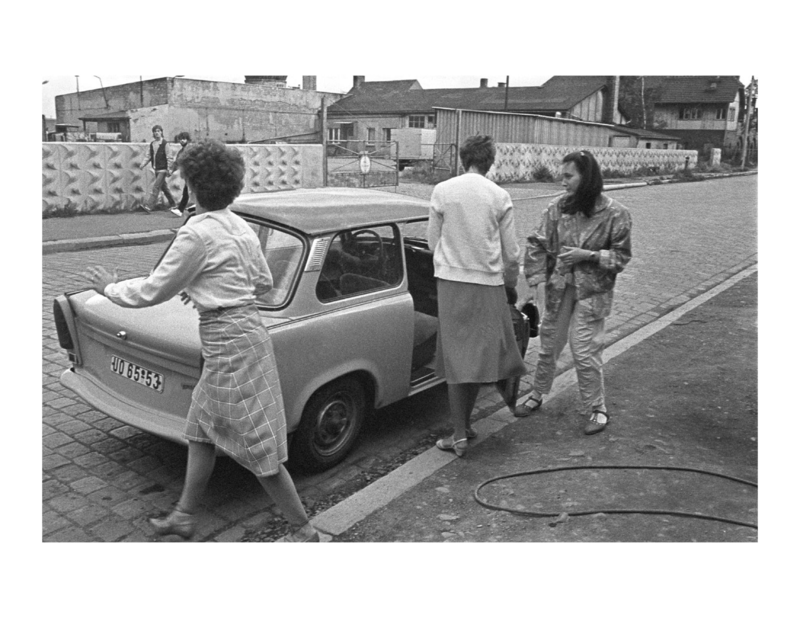
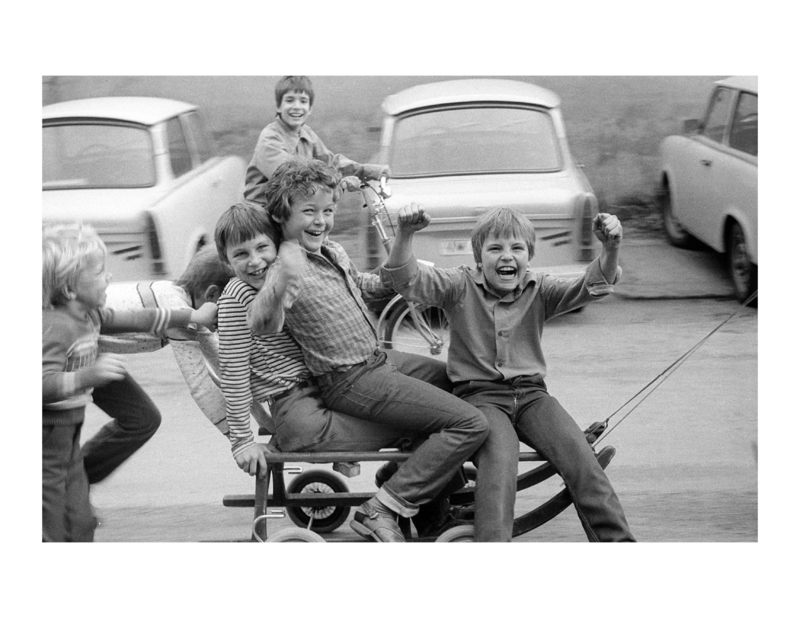
Martens tries to see through the mechanisms behind the image content that has become stereotypes. He often took photos in the GDR and in Russia: nuclear submarines ready for the scrap heap, Russian revue theatres, ballet, etc. The resulting images play with opposites – decadence and poverty, fat and thin, seductive women in front of a shabby backdrop, everyday life and the artificial world the beautiful and the rich. Shoes and cars symbolize people’s longings, bras, latex suits and stockings function as fetishes or armor – but always also as a sign of power. Irritations find their way into these constructed visual worlds full of “icons of the zeitgeist” – the first East German Miss Germany, artists, actors, fitness gurus, formerly highly decorated espionage officials, fashion designers, Russian oligarchs. Martens uses irony to examine the methods of fiction formation. He uses motifs from art history as well as banal advertising strategies. The combination of normally incompatible elements leads to calculated accidental breaks with the uniqueness and requires simultaneous thinking on different levels.
Martens himself: »I’m proud that the men’s magazines still don’t line up for me, even though I offer a few of the usual set pieces: breasts, buttocks, long legs, etc. The media have an unmistakable sense of where they are no longer being served – be it due to slight deviations or self-deprecating reflections.«
There are also portraits of artists, including dinosaurs & Jake Chapman, Sarah Lucas, Franka Potente, the Leningrad Cowboys or Roland Emmerich, in whom Martens tries to make visible what is specific to the portrayed artist, his working methods or character.
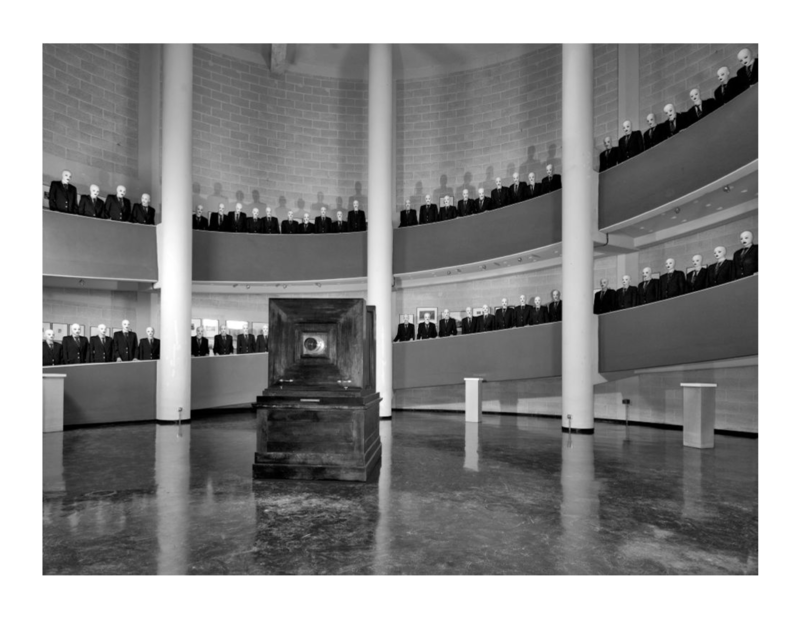
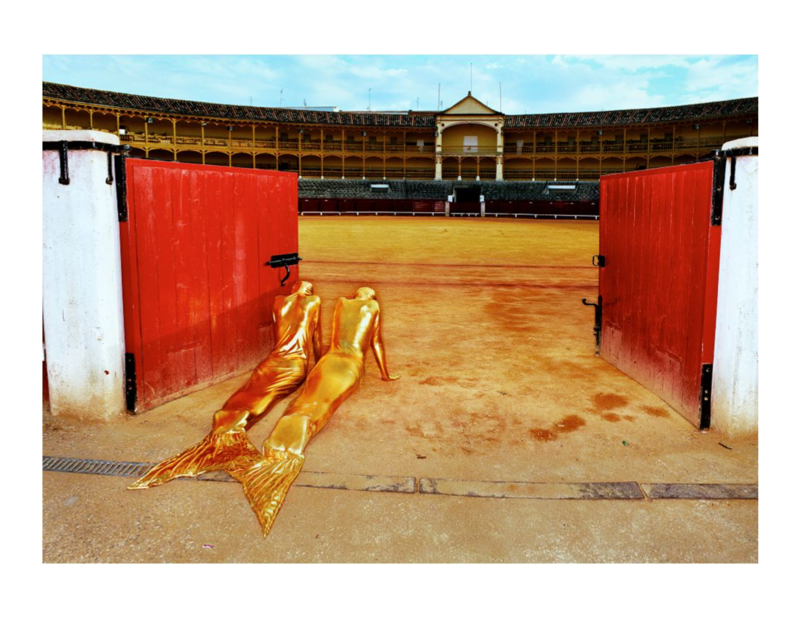
What is completely new, however, is his turn to architectural photography. In contrast to the cool and matter-of-fact aesthetics of his colleagues such as Thomas Ruff or Thomas Struth, who wring a general character from their motifs, Martens’ photographs evoke the uniqueness of the motifs. Despite their fantastic appearance, the pictures are accurate representations of the sometimes curious buildings that the artist discovers in a long search.
Martens lives and works in Leipzig.
Literature
Olaf Martens – photographs, texts by FC Gundlach, Klaus Honnef and Wolfgang G. Schröter. Kilchberg/Zurich 1994.
Olaf Martens. Frosty Fire. New photographs, text by Klaus Honnef. Rheinisches Landesmuseum, Bonn 1996.
Olaf Martens, Peter Lang. lust and games. Kunsthaus Dresden, Municipal Gallery for Contemporary Art, Dresden 1998.
Pictures that were still missing, text by Klaus Honnef. German Hygiene Museum, The Museum of Man, Dresden 2000.
Masks & facades. St. Petersburg Perspectives. Olaf Martens Photography 1996-2003. Stuttgart 2003.
Of bodies and other things – German photography in the 20th century. German Historical Museum, Berlin; Moscow House of Photography, Moscow; Bochum Museum 2003.
Dream Worlds Backgrounds. Olaf Martens 1984-2004. Grassi Museum, Museum of Arts and Crafts, Leipzig 2004.
Solo exhibitions (selection)
Kunsthaus, Dresden; Barlach Hall K, Hamburg; 2nd International Photo Biennale, Moscow (1998)
International Photo Biennale, Goethe Institute, Rotterdam; Photo Museum, Leipzig-Mölkau; Ephraimpalais, Berlin (2000)
Grassi Museum for Applied Arts, Leipzig (2004)
FFI – Photo Forum International, Frankfurt; New Saxon Gallery, Chemnitz (2005)
LUMAS Gallery Berlin; From Russia with Love (2014)
Group exhibitions (selection)
Museum of Applied Arts and Crafts, Berlin (1995)
Rheinisches Landesmuseum, Bonn (1997)
Museum of Arts and Crafts, Hamburg; German Hygiene Museum, Dresden (2000)
New Gallery and City Museum, Graz; Grassi Museum, Leipzig; Bochum Museum; Multimedia Art Center (formerly Moscow House of Photography), DHM I German Historical Museum, Berlin (2003)
Leopold Museum, Vienna; House of Photography/Deichtorhallen, Hamburg (2006)